Stories
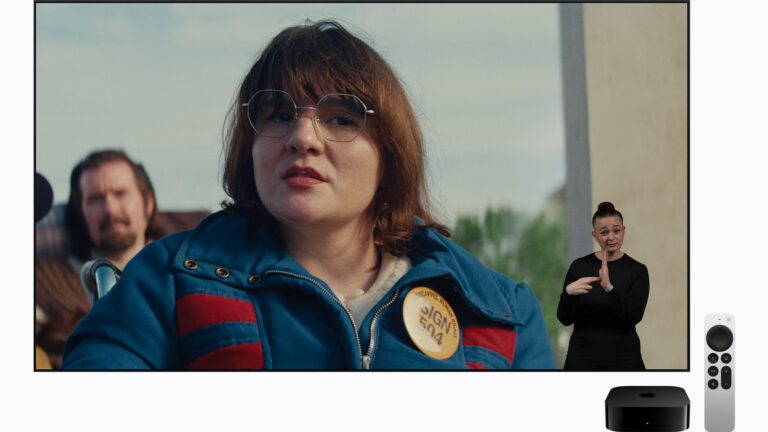
Sign language app Lingvano says you can follow a signed dialogue in ten minutes
The team behind Lingvano told Double Tap how their sign language app teaches beginners, and why they hold back on Duolingo-style gamification.

Listen to this article
Lingvano, a sign language learning app often compared to Duolingo, is days away from adding German sign language to the three it already teaches.
Speaking on Double Tap, Johanna Steiner and Elena Quazzoli said the app currently covers American, British and Austrian sign language, and that every lesson is taught by deaf teachers. It won a Zero Project Award in 2024 and now has millions of learners.
Johanna, who leads learning and community at the company, was asked by Double Tap's Steven Scott what a complete beginner actually meets on their first evening with the app.
“It's very easy to get led through a lesson, which consists of introducing a sign. You look at it, you get tested, you get quizzed. In the beginning, it's very, very easy. Soon we introduce sentences, but generally we also teach about community.”
Johanna Steiner, Lingvano, leads learning and community
That emphasis on structure sits alongside a deliberate decision about how much the app pushes learners along. Duolingo built much of its success on levels, streaks and goals, and Lingvano has taken only part of that approach.
Elena, who leads product and engineering, explained to Shaun Preece how far the company went with it and where it drew the line.
“We tested a lot of gamification just to keep it more entertaining and have the people coming back to the platform so they can continue learning. But not all of the learners react in the same way. So we have some gamification to keep the course engaging, but not too much to avoid interruptions and have the learners being focused on the videos.”
Elena Quazzoli, Lingvano, leads product and engineering
So the app keeps the learner's attention on the video rather than on points and rewards, which is where the teaching happens.
That reliance on video raises an obvious question for our audience, and it is one we put to Lingvano later in the same interview: what a sign language app can offer someone who cannot see the screen. For blind and partially sighted people with deaf family, friends or colleagues, the answer matters as much as the lesson design does.
Hear the whole conversation in the full episode: Zero Project Tokyo Part 2: Lingvano's Sign Language App and Turn-Motion's Robotic Leg Braces