Interviews
David Banes on AI, Assistive Tech and the Zero Project Tech Forum
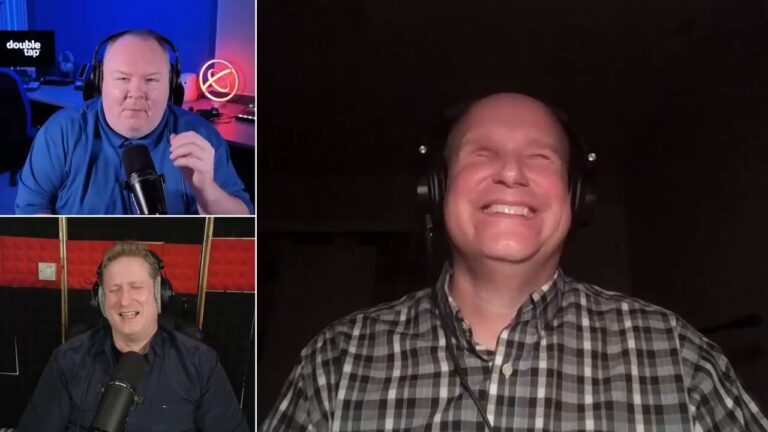
Overview Assistive technology is moving faster than the systems that pay for it. David Banes, advisor to the Zero Project Technology Forum and head of the Equitable AI Alliance, talks to Steven Scott about mainstream devices and AI now doing work that once cost thousands of pounds. He also explains why procurement rules still struggle to keep up.
Watch this interview
Captions, where YouTube has them, are on the video's CC button.
Overview
Assistive technology is moving faster than the systems that pay for it. David Banes, advisor to the Zero Project Technology Forum and head of the Equitable AI Alliance, talks to Steven Scott about mainstream devices and AI now doing work that once cost thousands of pounds. He also explains why procurement rules still struggle to keep up.
Expanded Summary
Banes has spent 40 years in assistive technology, long enough to remember when a solution for a blind person turned up as a large, expensive box with braille stuck on the front. He now argues that the label itself gets in the way. Buyers, he says, should be asking about assistive features and functions rather than assistive products, because the phone in your pocket already recognises objects, reads documents and identifies people.
He tells a story that sums up the shift. A friend had an Amazon Echo installed and said the real difference was walking into a room, asking Alexa to turn on the lights, and skipping the hunt along the wall for a switch. Echo was never designed for that. Flexible design plus a bit of user imagination produced the benefit, and that feedback loop becomes co-design.
That leaves a hard question for anyone building something new: what does a dedicated product add that the device already does? Banes describes an escalation model, starting with what is built in, moving to low-cost or open source options, then on to commercial and proprietary tools where niche features justify the price. His first question to companies pitching at the Tech Forum is how they fit alongside what already exists rather than duplicating it.
The conversation closes on money. Many disabled people are out of work and cannot fund a specialist purchase, so free and low-cost tools built for Southeast Asia, South America and parts of Africa carry real value everywhere. With budgets tight across many economies, Banes makes the case for learning from places where the money was never there to begin with.
Chapters
0:00 – Meet David Banes
0:24 – How the Zero Project Tech Forum works
1:48 – Is disability inclusion losing ground?
3:23 – Beyond the expensive blind box
5:36 – Why procurement won’t pay for consumer tech
6:26 – The escalation model for choosing technology
8:44 – Affordability and low-cost innovation
10:11 – Tight budgets and value for money
Relevant Links
Zero Project Technology Forum: https://zeroproject.org/initiatives/the-zero-project-technology-forum
Equitable AI Alliance: https://zeroproject.org/initiatives/equitable-ai-alliance
David Banes Access and Inclusion Services: https://davebanesaccess.org